Salta al contenuto

In the food sector, product quality is only one of the variables involved in an effective communication strategy. In a market where excellence, territory and tradition are shared elements, the real differentiating factor becomes the ability to build a strong and recognisable narrative capable of generating authority and lead generation.
PR in the food sector consists of the set of strategic activities — from press office services to corporate reputation management — that turn a brand’s value into recognised market positioning.
Today, communicating in the food sector means operating on several levels simultaneously, with an approach that combines storytelling, media relations and strategic vision, especially in the B2B sphere.

Talking about public relations in the food sector means going beyond simple media exposure. Visibility is not enough if it is not supported by strategic consulting that analyses the brand’s identity and the competitive context.
Effective PR activity for food brands always starts with an analysis phase: understanding the brand’s identity, its distinctive value and the competitive context in which it operates. Only from this foundation is it possible to build a narrative capable of standing out and maintaining consistency over time.
In the food sector, this narrative takes on specific characteristics. It is not just about the product, but also includes the territory, the supply chain, production expertise and entrepreneurial vision. These elements, when communicated correctly, become strategic levers for differentiation.
Food PR strategies therefore have the task of turning this content into stories that are relevant for the media, avoiding oversimplifications and building a narrative that is both authentic and business-oriented.
One of the most delicate aspects of communication for food brands concerns the target audience. The main recipient is not always the end consumer. In many cases, especially for established companies, the goal is to reach a professional audience.
B2B communication in the food sector targets buyers, distributors, importers, large-scale retail operators and professionals from the HoReCa world. These are interlocutors who make decisions based on concrete elements such as reliability, production quality, logistics capability and business vision.
In this context, the food press office becomes a strategic tool for building credibility. Presence in trade publications and business media allows the brand to enter a qualified information circuit, influencing purchasing decisions and building trust over the long term.
At the heart of PR for food companies are media relations, namely the ability to develop and maintain relationships with journalists, editorial teams and opinion leaders.
This work requires continuity and expertise. It is not simply about sending press releases, but about understanding editorial dynamics and offering content that is genuinely useful to those receiving it.
In the food sector, this means knowing how to talk about the evolution of consumption, product innovation, supply chain dynamics and market trends.
A specialised agency positions the brand as an authoritative source, transforming the company from a simple supplier into an expert interlocutor. This type of positioning also has a direct impact on business, because it strengthens the perception of solidity and expertise.
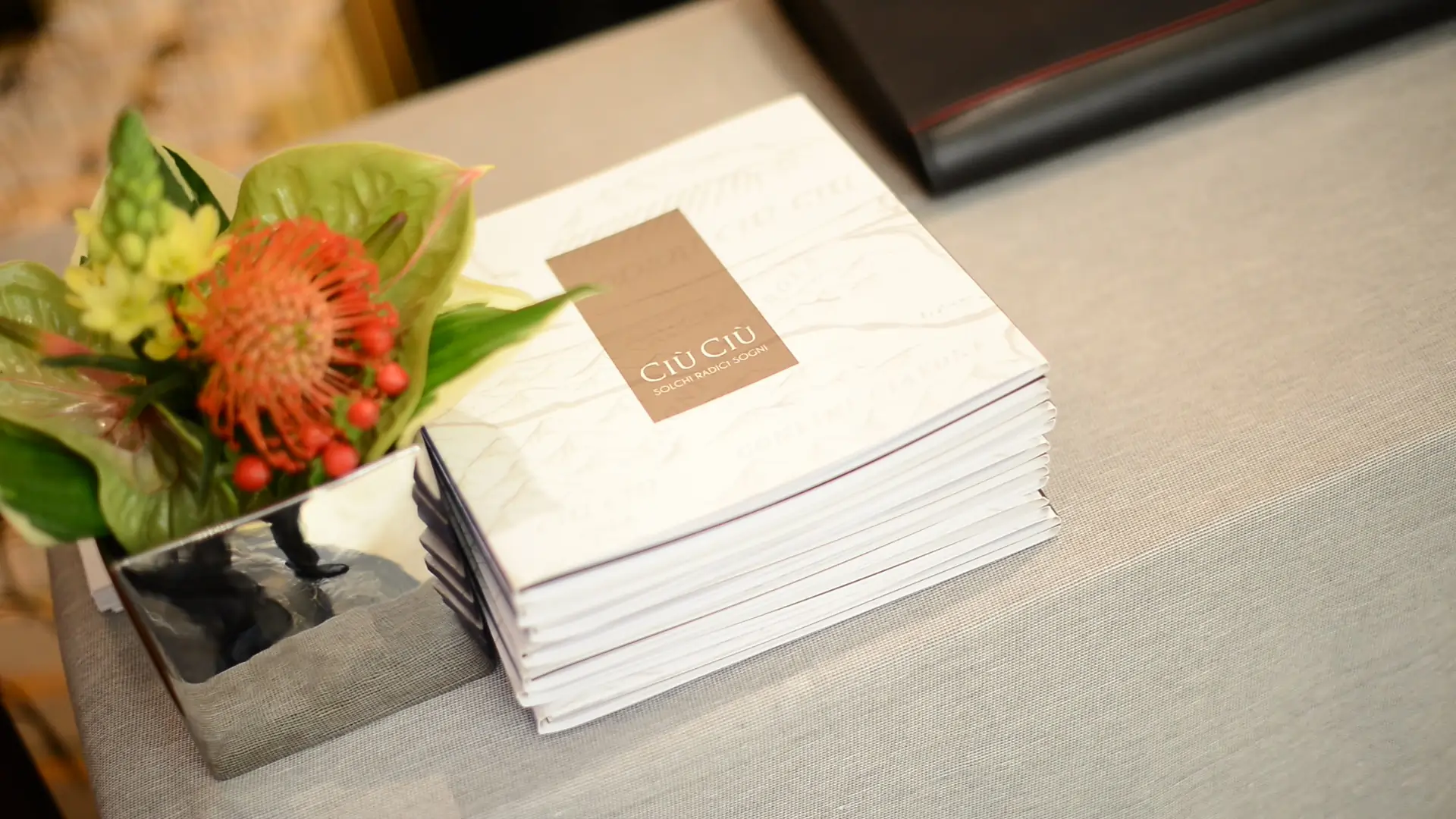
In the food sector, communication cannot be separated from experience. The product must be experienced, not just described. This is why tools such as press lunches and gastronomic press tours play a central role in PR strategies.
A food press lunch is not simply a convivial moment, but an occasion designed to present the brand in a coherent way. Every element, from the choice of location to the design of the menu, contributes to reinforcing the narrative.
Gastronomic press tours represent a further level of in-depth engagement. Bringing journalists to production sites means offering them a direct understanding of the product and the context in which it is created. This type of experience generates content that is more developed, more authentic and often longer-lasting.
Moreover, these moments make it possible to build personal relationships with the media, which become a fundamental asset over the long term. Trust is not built through content alone, but also through the quality of interactions.

The current landscape requires synergistic coordination between traditional media and digital creators. A modern food PR strategy adapts the message to each channel: institutional language for the press and native formats for social media, ensuring layered media coverage that preserves the brand’s identity.
Coordinating these two worlds also means managing different timing and expectations: traditional media follow structured editorial logic and more in-depth content, while creators focus on speed and visual format. An experienced food PR agency knows how to balance these needs without creating friction. The result is broader and more layered media coverage, reaching different target audiences while preserving the authority built through institutional channels.
One of the most underestimated aspects of food PR concerns time. Results are not immediate: they are built through consistent work, made up of cultivated relationships, coherent messages and continuous presence in the media landscape.
It is precisely this continuity that turns visibility into reputation. A food brand that communicates regularly and consistently becomes a point of reference for journalists, industry operators and consumers, and the resulting reputation is a tangible corporate asset, difficult to replicate and difficult to undermine.
Over the long term, this translates into tangible advantages: stronger business relationships, clearer positioning and a greater ability to attract business opportunities.
Food PR now represents a fundamental strategic lever for food brands that want to grow, especially in the B2B sphere. MAP Communication offers food brands solid experience in Media Relations, integrated PR and the organisation of experiential events TO build solid and lasting positioning and connect directly with the decision-makers who matter.
An effective food PR agency combines in-depth knowledge of the food sector, well-established relationships with relevant media and the ability to build tailored strategies. Before choosing, it is useful to assess the client portfolio, the publications the agency عادة works with and its ability to operate in both consumer and B2B contexts.
A specialised food press office makes it possible to obtain coverage in authoritative publications, increase perceived credibility and reach strategic interlocutors who are difficult to access through advertising communication alone.
A food press lunch is a concentrated event, usually held in a single location, designed to present a product or brand in a coherent and engaging way. A gastronomic press tour, on the other hand, is a more articulated experience: it takes journalists to production sites, allowing direct knowledge of the context, the people and the values behind the product.